
The Compliance Checklist Every Nigerian Startup Needs
Most startups focus on growth, funding, and product development, but often overlook one critical factor: compliance. Yet a single compliance failure can lead to regulatory penalties, tax liabilities, investor concerns, or even business shutdowns. In this article, we explore the essential compliance areas every Nigerian startup should prioritize, from corporate governance and tax obligations to data protection, licensing, employment practices, intellectual property, contracts, and ongoing regulatory monitoring. More than just avoiding penalties, compliance is a strategic tool for building trust, attracting investment, and creating a business that is positioned for sustainable growth
 Omogbolahan Ajelowo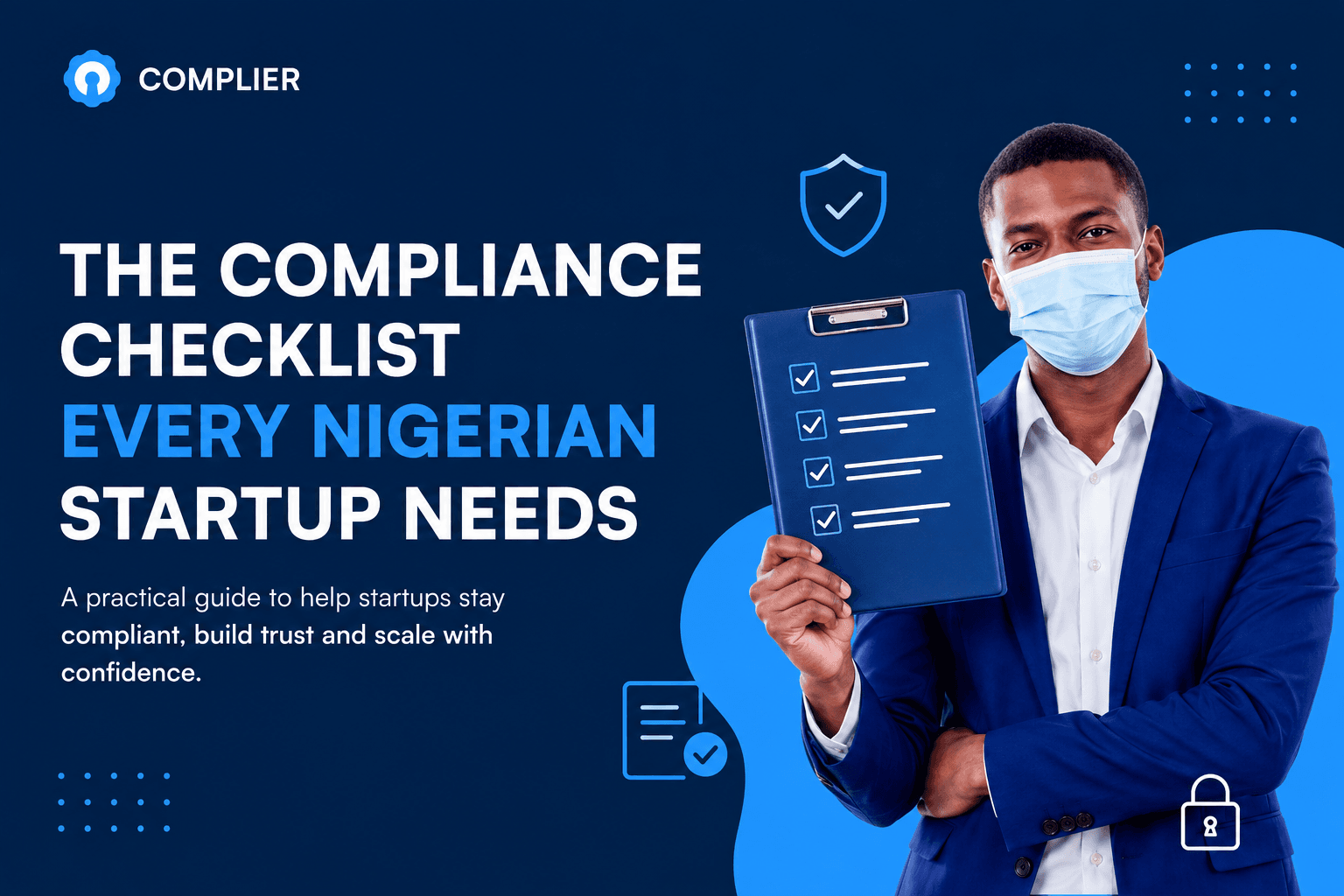
The startup ecosystem in Nigeria has grown significantly over the last decade. Across fintech, e-commerce, logistics, health-tech, agr0-tech and several other sectors, founders are building innovative solutions and attracting local and foreign investment at an unprecedented rate.
While much attention is often paid to product development, fundraising, customer acquisition and scaling, one critical aspect of running a startup is frequently treated as an afterthought: compliance.
This is understandable. For many startups, compliance is presumed to be a concern for larger companies with dedicated legal and regulatory teams. Unfortunately, this assumption has cost many businesses dearly. Regulatory penalties, frozen bank accounts, tax liabilities, revoked licences, investor concerns and even business shutdowns have all resulted from compliance failures that could have been avoided.
The reality is that compliance is not merely about avoiding sanctions. It is about building a business that is sustainable, investable and capable of long-term growth.
Join thousands of SMEs to get insights
Weekly updates from the business and corporate world. The things that actually concern your business.
So, what exactly should your startup be paying attention to?
Corporate Registration and Governance:
The first item on any compliance checklist is ensuring that the business is properly registered. Many entrepreneurs begin operations under informal arrangements and only consider incorporation when investors begin asking questions. This approach can create significant legal and operational problems.
Every startup should ensure that it is properly incorporated with the Corporate Affairs Commission (CAC) and that its corporate records remain up to date. This includes maintaining accurate information regarding directors, shareholders, registered addresses and beneficial ownership disclosures where applicable.
Beyond registration, startups should establish basic governance structures. Board resolutions, shareholders' agreements and proper record-keeping may seem unnecessary during the early stages, but they often become invaluable when raising capital or resolving internal disputes.
Investors are increasingly interested in governance practices because poor governance has been responsible for the collapse of many promising businesses.
Tax Compliance
Tax compliance remains one of the most overlooked areas among startups. Many founders assume that because their businesses are still growing or not yet profitable, tax obligations do not apply to them. This is often incorrect. Depending on the nature and size of the business, startups may have obligations relating to Company Income Tax, Value Added Tax (VAT), Pay-As-You-Earn (PAYE), Withholding Tax and other statutory deductions.
The Federal Inland Revenue Service and various State Internal Revenue Services have significantly increased their use of technology and data-sharing mechanisms. As a result, identifying non-compliant businesses has become easier than ever.
More importantly, tax compliance is increasingly becoming a due diligence requirement for investors, lenders and strategic partners. A startup with unresolved tax liabilities may find it difficult to secure funding or participate in major commercial opportunities. The best approach is to understand applicable tax obligations early and maintain accurate financial records from the outset.
Data Protection and Privacy
In today's digital economy, data has become one of the most valuable business assets. Whether a startup operates a mobile application, website, e-commerce platform or software solution, it is likely collecting some form of personal information from users.
This immediately brings data protection obligations into the picture. Nigeria's data protection framework requires organizations that process personal data to implement appropriate security measures and handle information responsibly. Startups should have clear privacy policies, obtain necessary consents where required and ensure that customer information is adequately protected.
A data breach can result in regulatory scrutiny, reputational damage and loss of customer trust. And as you may already know, trust, once lost, is often difficult to regain.
Sector-Specific Licensing and Regulatory
Approvals Not every startup requires a special license. However, many do. For example, fintech businesses may need approvals from financial regulators. Healthcare startups may be subject to healthcare regulations. Logistics, telecommunications, education and energy businesses may all operate within regulated sectors.
One common mistake founders make is assuming that registration with the CAC automatically authorizes them to conduct all forms of business. In reality, sector-specific regulations often impose additional requirements that must be satisfied before operations commence. Failure to obtain necessary approvals can expose a startup to enforcement actions, financial penalties and reputational risks.
Before launching a product or service, founders should determine whether their industry is regulated and what obligations apply.
Employment and Workplace Compliance
As startups grow, they inevitably begin hiring employees, contractors and consultants. This introduces a new layer of compliance responsibilities.
Employment contracts should clearly define rights, obligations and expectations. Employers should also understand statutory obligations relating to pensions, employee compensation, taxes and workplace policies. Informal employment arrangements may appear convenient during the early stages of a business. However, they can create significant liabilities when disputes arise.
Clear documentation will protect both you as an employer and all the employees while concurrently contributing to a healthier workplace culture.
Intellectual Property Protection
For many startups, intellectual property is the business. Brand names, logos, software, proprietary processes, creative content and inventions often constitute some of the company's most valuable assets.
Unfortunately, many startups invest heavily in developing their brands and products without taking steps to protect them.
Trademark registration, copyright protection and other intellectual property strategies should be considered early.
This is particularly important because investors frequently assess the ownership and protection of intellectual assets during due diligence exercises. If your startup cannot demonstrate ownership of its key intellectual property, it will struggle to attract investment or defend itself against competitors.
Contract Management
Startups interact with customers, vendors, service providers, employees, investors and business partners. Every one of these relationships should be properly documented.
Poorly drafted contracts or verbal agreements can create uncertainty and increase legal risk. Startups should ensure that agreements clearly define deliverables, payment obligations, dispute resolution mechanisms and termination rights.
A contract should not only address what happens when everything goes according to plan. It should also anticipate what happens when things do not. The most expensive disputes are often those that could have been prevented by clear contractual terms.
Regulatory Monitoring and Ongoing Compliance
Compliance is not a one-time exercise. Laws change. Regulations evolve. Reporting obligations emerge. Regulatory expectations shift. A startup that was compliant last year may find itself non-compliant today if it fails to keep up with developments.
This is particularly true in industries such as financial technology, digital assets, data protection and taxation, where regulatory frameworks continue to evolve rapidly.
You should therefore establish systems for monitoring legal and regulatory changes that may affect their operations.
Summarily, it is common knowledge that many founders view compliance as a cost center. But in reality, it is a business enabler. Strong compliance practices help startups attract investors, build customer trust, avoid regulatory penalties and position themselves for sustainable growth.
The most successful startups are not merely innovative. They are also structured, accountable and prepared for scrutiny.
So, the question therefore is not whether your startup can afford to invest in compliance. The real question is whether it can afford not to.
As your business grows, ensuring that these compliance fundamentals are in place may be one of the most important investments you make in its future.